


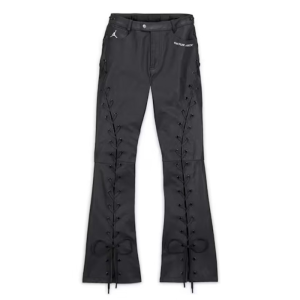
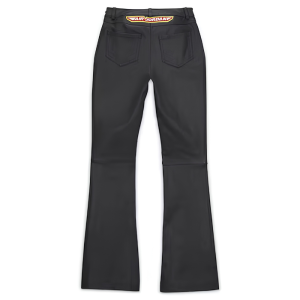
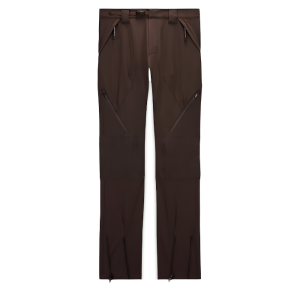
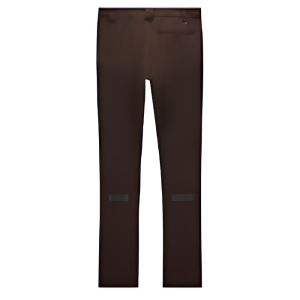



The Utopia Cargo Pant — why cargo is the correct format for this album era
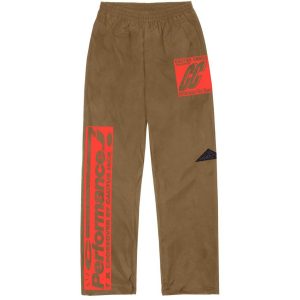
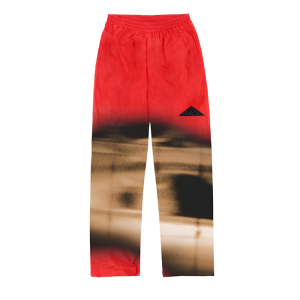
The Utopia album's visual aesthetic is built around a tension between the ancient and the utilitarian — pyramid structures, desert landscapes and architectural ruins placed alongside functional hardware, military-adjacent imagery and the visual language of field gear. This aesthetic tension cannot be expressed in a sweatpant. A sweatpant is a comfort garment — its visual language communicates rest, leisure and casual intimacy. A cargo pant is a utility garment — its visual language communicates preparedness, movement and function even when worn in contexts that require none of these things.
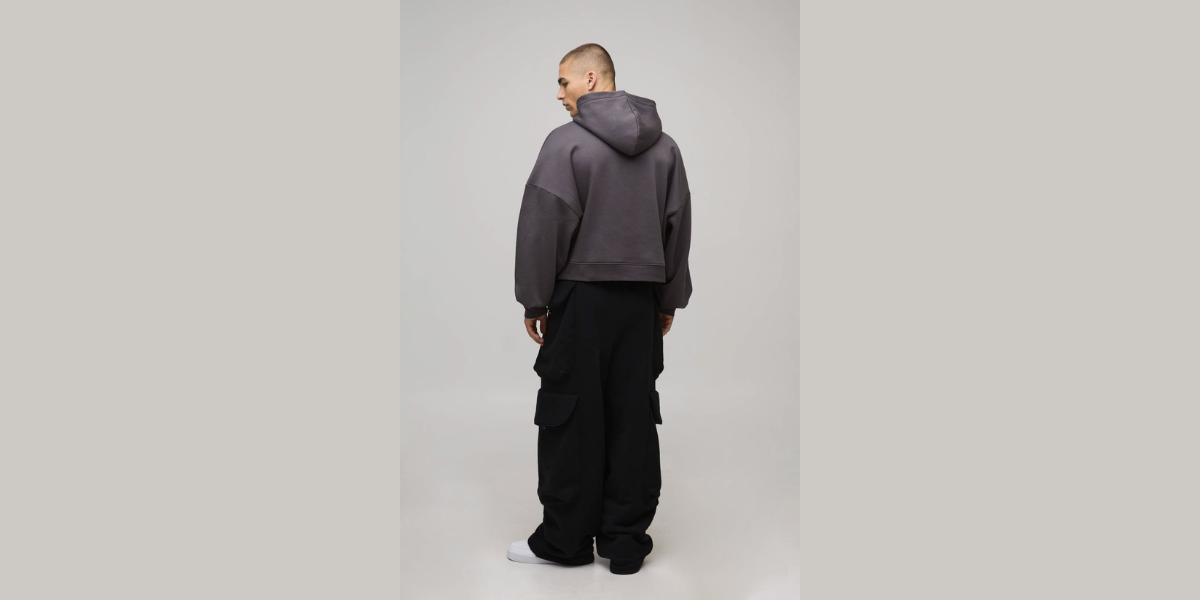
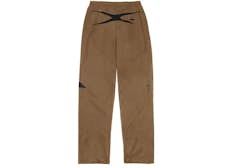
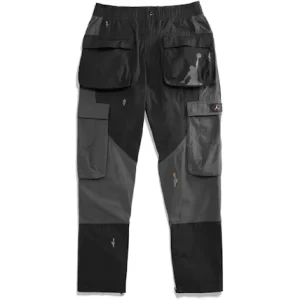
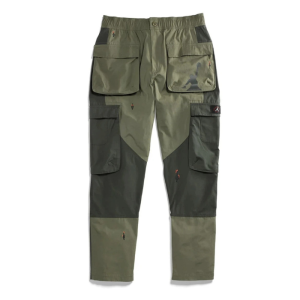
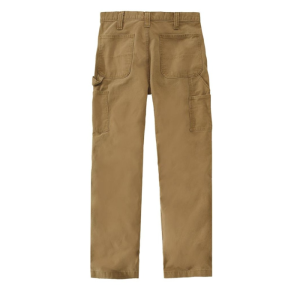
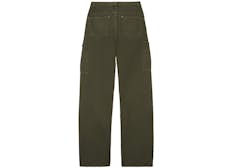
The Cactus Jack Utopia Cargo Pant uses a cotton-twill or ripstop nylon base — both fabrics that communicate utility through their material identity before any graphic is applied. Cotton twill's diagonal weave structure gives the fabric a structured drape — it holds its shape against the leg rather than conforming to body contours the way fleece does. Ripstop nylon's grid structure communicates technical outdoor wear regardless of the context in which it is worn. Either base fabric signals the utilitarian register that the Utopia era requires.
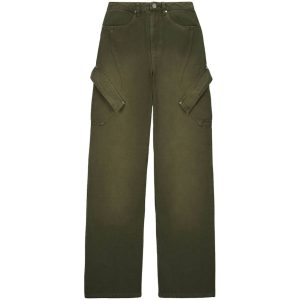
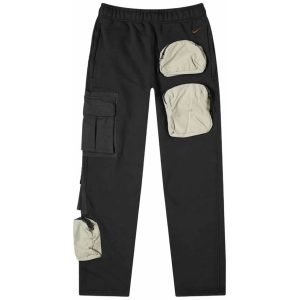
The pocket architecture on the Utopia Cargo Pant uses bellows pockets — pockets with a folded pleat along each side that allows the pocket to expand when loaded rather than pulling the pant fabric flat across the thigh. A flat-sewn patch pocket creates visible stress marks across the thigh fabric when anything substantial is placed in it — the fabric pulls toward the pocket opening corners and the pant surface reads as distorted. A bellows pocket with a pleat accommodates the same load without pulling the surrounding fabric — the pleat absorbs the expansion rather than transferring the tension to the thigh panel.
The pocket closure hardware — typically a zip closure or a D-ring and clip combination — is metal rather than plastic on the Cactus Jack branded pieces. Metal hardware on a cargo pant communicates a different quality register from plastic — the weight, the tactile feedback of a metal zip pull and the visual density of a metal D-ring signal a level of construction attention that plastic alternatives cannot. The metal hardware also performs better over time — plastic zip pulls crack under cold temperature and repeated mechanical stress in a way that metal pulls do not.
The Cactus Jack sweatpant — designed to let the hoodie dominate
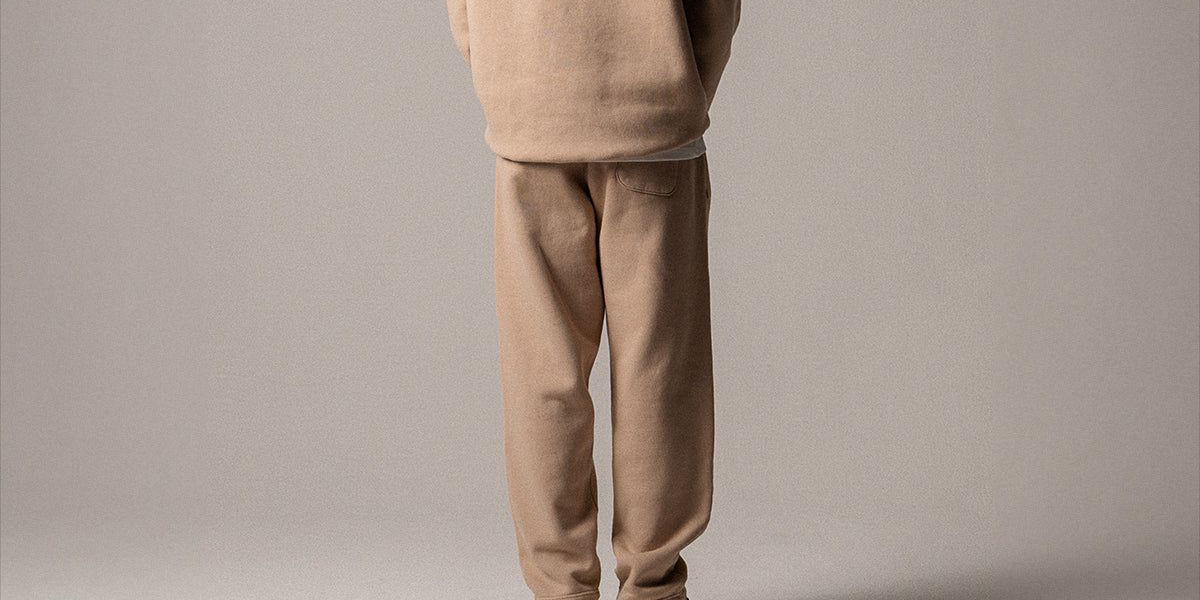
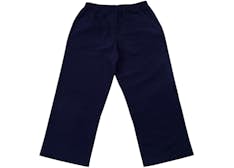
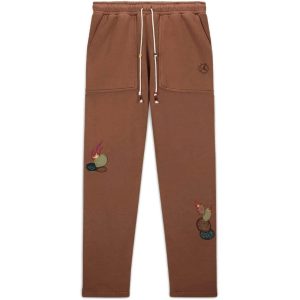
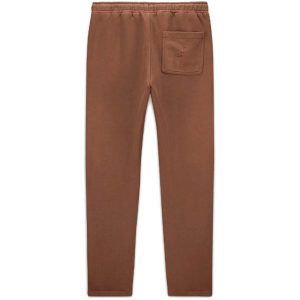
The Cactus Jack sweatpant operates on the opposite principle from the cargo pant. Where the cargo pant carries visual weight of its own — the pocket architecture, the hardware, the utilitarian fabric language — the sweatpant is designed to carry the outfit's weight neutrally. A Cactus Jack Astroworld hoodie is a maximally graphic piece — the back panel composition, the distressed typography, the Wish You Were Here phrase carry the full visual statement of the album. Everything below the hoodie's hem needs to recede rather than contribute.
The Cactus Jack sweatpant achieves this through clean execution rather than minimal design. The pant uses 350–380 GSM heavyweight fleece — heavy enough to provide visual mass and physical presence at the lower body without the hoodie appearing to float above a lightweight or thin bottom. The colourway is typically drawn from the same palette as the hoodie it pairs with — the Astroworld sweatpant in the same sandy cream or black that grounds the hoodie above it without competing with it. A sweatpant that matches the hoodie's palette recedes. A sweatpant in a contrasting colour introduces a second visual element that the eye must process alongside the hoodie graphic.
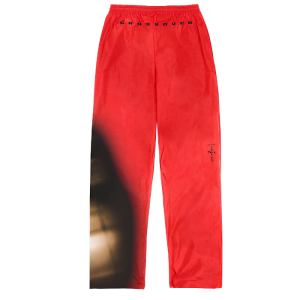
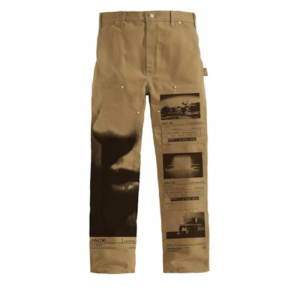
The Cactus Jack graphic element on the sweatpant — where present — sits at the lower leg rather than the thigh. Lower leg placement keeps the graphic below the visual zone where the hoodie graphic operates — the back panel of the hoodie is read at shoulder-to-hip height, while the lower leg placement of the pant graphic is read below the knee. The two graphics occupy different visual zones of the outfit without competition. This is a different placement logic from the Hellstar and Sp5der sweatpants, where the thigh graphic directly parallels the hoodie back panel — in those cases the graphic parallel is the design intention. In the Cactus Jack sweatpant, the graphic hierarchy is maintained by keeping the lower garment graphic below the visual field where the upper garment dominates.
Cargo or sweatpant — how to choose the correct format for your context
The Cactus Jack cargo and sweatpant formats are not interchangeable — they communicate different things and work in different outfit contexts. The decision between them is not a question of which you prefer aesthetically. It is a question of which outfit register you are working in.
The cargo pant with a graphic-heavy hoodie creates two competing statements — both pieces are visually demanding and both require the viewer's attention simultaneously. The sweatpant with a graphic-heavy hoodie creates a hierarchy — one piece announces, the other supports. Both are valid outfit configurations. They are not the same outfit and should not be treated as such.
How Cactus Jack uses leg graphic placement differently from other brands
Three approaches to leg graphic placement exist across the brands in the Fragment portfolio — and the Cactus Jack approach is distinct from all the others.
Hellstar / Sp5der
Thigh placement — graphic at the outer thigh, visible from the front and side simultaneously during walking. The graphic at thigh height parallels the hoodie back panel in visual zone — both operate at a similar height on the body. The intention is parallel graphic presence: the outfit reads as graphically significant at both the upper and lower body simultaneously.
Trapstar
Waistband and ankle placement — the Trapstar graphic typically appears at the waistband as an embroidered or printed mark and at the ankle rib as a secondary identifier. Both placements are at the structural boundaries of the garment rather than on the body panel — the graphic reads as construction detail rather than graphic art. The pant communicates brand membership without carrying the graphic weight of the hoodie.
Cactus Jack
Lower leg placement — graphic at the calf or lower shin when present. The lower leg zone is below the visual field where the hoodie back panel operates — the two graphics do not compete because they occupy different vertical zones on the complete outfit silhouette. The lower leg graphic is a secondary identifier rather than a primary composition. It rewards close inspection without asserting itself at the outfit's primary visual level.
How the pant determines what the hoodie can do — the inverted argument
The conventional way to think about a Travis Scott outfit is top-down — choose the hoodie, then find a pant that works with it. The more accurate way to think about it is bottom-up — choose the pant first, then understand what the pant permits above it.
A Utopia Cargo Pant below a Utopia Hoodie is an outfit where both pieces carry the visual weight of the same album era — the utilitarian language of the cargo pant and the architectural graphic language of the Utopia hoodie share the same aesthetic source and produce a coherent visual register from shoulder to ankle. A different hoodie above the Utopia Cargo Pant — an Astroworld hoodie with its psychedelic amusement park graphic — produces a visual register conflict. The cargo pant's utilitarian language and the Astroworld hoodie's carnival aesthetic do not share a source. The outfit reads as two pieces that happen to be worn together rather than two pieces that belong to the same visual statement.
The Cactus Jack sweatpant resolves this problem by having no era-specific visual language of its own — a black or neutral sweatpant below any Cactus Jack hoodie reads correctly because the sweatpant does not carry a competing aesthetic identity. The sweatpant is visually subordinate to whatever is above it. The cargo pant is not — it carries its own identity and therefore requires the hoodie above it to share that identity rather than contradict it.
The practical purchasing decision: if you own one hoodie and want to buy a pant that works with it — buy the sweatpant. It works with everything. If you want a complete Utopia-era outfit and are buying both pieces at the same time — buy the cargo pant and the Utopia hoodie as a set. If you want to mix eras — the sweatpant is still the correct choice because the cargo pant's era-specific identity will create visual conflict with hoodies from other eras.
Sizing Cactus Jack pants — why inseam matters more than waist
Most buyers size sweatpants and cargo pants from the waist — order a size that fits the waist and accept whatever leg length and width comes with it. For the Cactus Jack pant formats, the leg proportion is the primary measurement because it determines how the pant reads as a silhouette from the waist to the ankle — and both the cargo and sweatpant formats use waistband elastic or drawstring that accommodates 2–3 inches of waist variation within each size.
Caring for Cactus Jack pants — cargo hardware and sweatpant fleece are different problems
The Utopia Cargo Pant and the Cactus Jack Sweatpant require different care approaches because they are different garments — different materials, different hardware, different failure modes under incorrect care.
Utopia Cargo Pant
Close all zips and fasten all clips before washing. Open metal zip pulls and D-ring clips rattle against the drum and the pant panels during the wash cycle — the hardware marks the cotton-twill or ripstop fabric surface at the impact points, creating permanent scuff marks that are especially visible on lighter colourways. Every hardware fastening closed before the wash eliminates this.
Machine wash cold on gentle cycle, turned inside out. Cotton-twill and ripstop nylon both tolerate cold washing. The graphic elements on the leg — if present — benefit from inside-out protection. The hardware is unaffected by cold water.
Air dry flat or hung from the waistband. Do not tumble dry ripstop nylon — nylon softens and loses dimensional stability under dryer heat. Cotton-twill tolerates low heat but the hardware and any graphic elements do not — air dry both for maximum garment longevity.
Cactus Jack Sweatpant
Wash both pieces of the matching set together. If you own a matching Cactus Jack hoodie and sweatpant from the same production run — wash both in the same cycle every time. Cotton dyes accumulate different fade rates if the two pieces are washed separately at different frequencies. The dye lot match established at production diverges with differential wash history.
Machine wash cold, gentle cycle, turned inside out. Same protocol as the hoodie — the sweatpant and hoodie from the same set should receive the same care under the same conditions every time.
Air dry flat alongside the hoodie. Both pieces dried under the same conditions ensures they retain the same dimensional properties through the drying process. Hanging the sweatpant while the hoodie dries flat means the two pieces will shrink and move at different rates during drying — subtle dimensional divergence that accumulates over multiple cycles.
Frequently asked questions about Travis Scott pants
Should I buy the Cactus Jack cargo pant or sweatpant?
The cargo pant carries visual weight of its own — pocket architecture, hardware details, utilitarian fabric language. The sweatpant recedes and lets the hoodie dominate. If you own a graphic-heavy hoodie like the Astroworld or Astronomical — buy the sweatpant. It resolves the outfit without competing with what is above it. If you want a complete Utopia-era outfit where both pieces contribute to the visual statement — buy the Utopia Cargo Pant with the Utopia Hoodie. If you want one pant that works with multiple hoodies from different eras — buy the sweatpant in black. It works with everything.
Why does the Utopia Cargo Pant use bellows pockets instead of flat patch pockets?
A flat patch pocket creates visible stress marks across the thigh fabric when loaded — the fabric pulls toward the pocket opening corners and the pant surface distorts. A bellows pocket has a folded pleat along each side that allows the pocket to expand when loaded without transferring tension to the surrounding thigh panel. The pleat absorbs the expansion rather than the fabric. The result is a loaded pocket that sits flat against the leg without distorting the pant panel around it — which matters for a pant where the visual geometry of the leg panel is part of the piece's design.
Does the Cactus Jack cargo pant work with hoodies from other Travis Scott eras?
The Utopia Cargo Pant works best with the Utopia-era hoodie and T-shirt because both share the same utilitarian-meets-ancient aesthetic source. Paired with an Astroworld hoodie — the carnival psychedelic graphic above the utilitarian cargo pant — the outfit produces a visual register conflict. The Astroworld graphic's emotional language and the cargo pant's functional language do not share a source. For cross-era pairings, the sweatpant is the correct choice — it has no era-specific identity and therefore does not conflict with any hoodie above it.
How do I size the Cactus Jack sweatpant?
Order the same size as your Cactus Jack hoodie. The sweatpant is designed as the lower half of the Cactus Jack outfit set — the proportional relationship between the hoodie's shoulder width and the pant's leg width is calibrated for same-size pairing. The elastic waistband and drawstring provide 2–3 inches of waist adjustment within each size, so natural waist variation is accommodated without requiring a different pant size.
Why is the Cactus Jack graphic on the pants at the lower leg rather than the thigh?
Lower leg placement keeps the graphic below the visual zone where the hoodie back panel operates. The hoodie back panel graphic is read at shoulder-to-hip height. A lower leg graphic at the calf or shin is read below the knee — the two graphics occupy different vertical zones of the complete outfit silhouette without visual competition. This contrasts with Hellstar and Sp5der, where thigh placement creates parallel graphic presence at the same visual zone as the hoodie back panel — an intentional design choice in those brands. Cactus Jack uses vertical zone separation to maintain the hoodie as the primary composition and the pant graphic as a secondary identifier.
What footwear works with Cactus Jack pants?
With the Utopia Cargo Pant — technical sneakers, trail runners, or utility boots that match the cargo pant's functional aesthetic. A clean court sneaker works against the cargo pant's utilitarian language rather than with it. With the Cactus Jack Sweatpant — clean lifestyle sneakers, court shoes or the Travis Scott x Jordan collaborations that carry the Cactus Jack identity into footwear format. The Jordan collab sneakers are the most coherent footwear choice beneath the sweatpant because they extend the brand's visual identity from the pant to the shoe without requiring a style match that non-Cactus Jack footwear would have to approximate.
The pant resolves the outfit. Or it competes with it. There is no neutral.
Cargo for the Utopia era — when both pieces should carry the visual weight. Sweatpant for everything else — when the hoodie should dominate and the bottom should support.
Fragment Clothing stocks the complete Travis Scott pants range. Browse alongside hoodies, T-shirts and shoes. Shipped worldwide.