




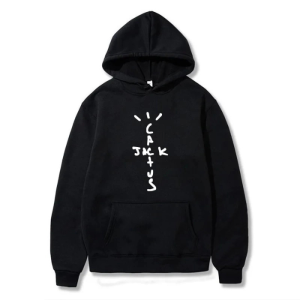
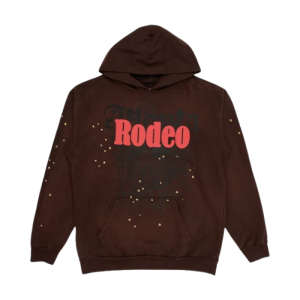



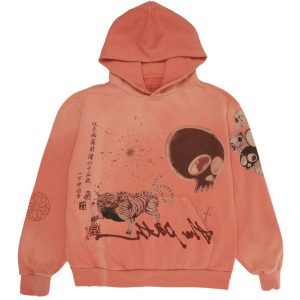
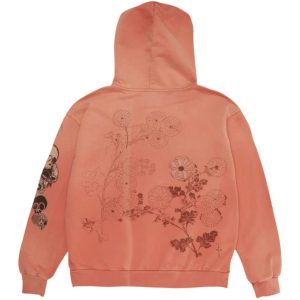
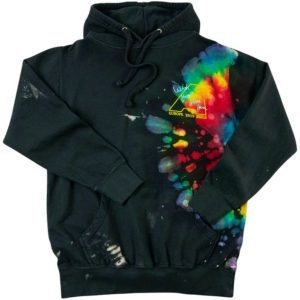

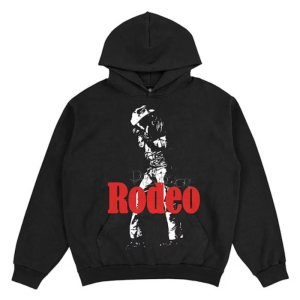


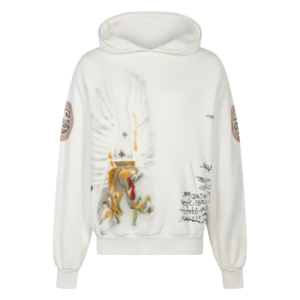

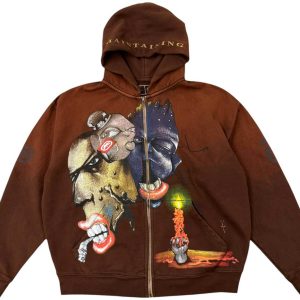



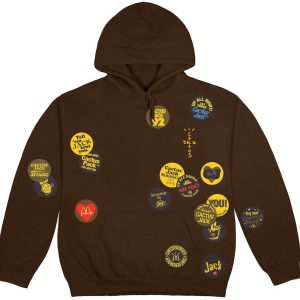
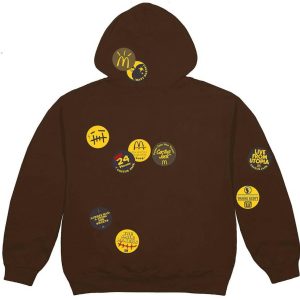
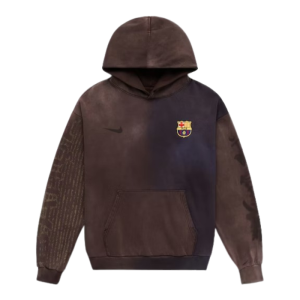


Five album eras, five distinct hoodie visual languages
Every Travis Scott album era produces a visual language specific to that period — graphic choices, colourways and design references that are tied to the album's themes and are not carried forward into the next era. The hoodie is where this visual language is most fully expressed because the larger canvas of the back panel allows compositional complexity that a T-shirt cannot accommodate at the same scale. Understanding the visual language of each era tells you which hoodie communicates which moment in Travis Scott's creative output.
2015
Rodeo
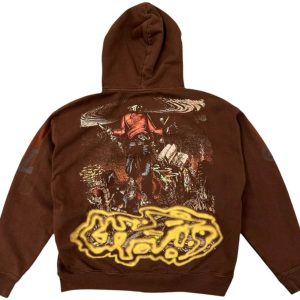
Psychedelic Americana. Rodeo clown imagery, Texas flag references, vintage carnival typography. The visual language of the American South rendered through a psychedelic lens. Earth tones — brown, red, cream — that reference both Texan landscape and 1970s concert T-shirt aesthetics. The Rodeo hoodie is the earliest branded Cactus Jack heavyweight piece and carries the roughness of early production alongside the visual ambition that defined everything that followed.
2016
Birds Eye View
Aerial surveillance aesthetics. Satellite imagery, grid references, cartographic visual language. The hoodies from this era are the least commercially visible in the Cactus Jack range and therefore the most collector-significant — lower original production volume combined with lower contemporary awareness produces the rarest pieces in the full hoodie catalogue. A Birds Eye View era hoodie in good condition is a genuine archival piece.
2018
Astroworld
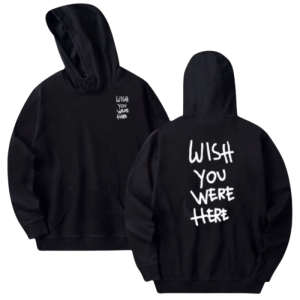
The peak. Houston Six Flags amusement park reimagined as a psychedelic dreamscape. Rollercoaster imagery, neon colour fields, the Wish You Were Here typography that became the most recognised phrase in Travis Scott's merch catalogue. The Astroworld hoodie is the most culturally significant single piece in the Cactus Jack hoodie range — see full section below.
2020
Astronomical
Cosmic expansion. The visual language of the Fortnite virtual concert — celestial bodies, deep space colour gradients, the surreal architecture of a digital environment rendered on heavyweight cotton. The Astronomical hoodie carries the widest colour range of any era — the gradient printing on heavyweight fleece produces richer, more saturated colour fields than the same graphic at T-shirt weight because the denser fabric surface reflects more light back through the ink layer.
2023
Utopia
Architectural dystopia. Pyramid and obelisk imagery, desert landscapes, ancient-futuristic visual tension. Earthy tones — terracotta, sand, deep olive — that are more restrained than previous eras and require more precision in the gradient printing to read correctly at the heavy fleece weight. The Utopia hoodie is the most visually sophisticated piece in the current Cactus Jack hoodie range and the piece where the gradient printing quality differences between authorised production and lower-spec reproduction are most visible.
Why Cactus Jack hoodies use heavyweight fleece when standard merch does not
Standard concert and event merchandise — the hoodies sold at most artist merchandise tables — uses 280–320 GSM cotton fleece. This weight is the economic optimum for event merchandise: light enough to produce in the quantities required for large event inventory, affordable enough to sell at the price points that maximise revenue per unit at a merchandise table. The graphic application is typically single-pass screenprint in two to three colours — fast to produce, adequate for the context.
The branded Cactus Jack hoodies — the pieces produced as Cactus Jack brand product rather than event merchandise — use 380–420 GSM heavyweight fleece. This specification costs approximately 30–40% more per unit in fabric alone than the standard merchandise weight. It requires a heavier graphic application — more ink passes on a denser surface — which adds further per-unit cost. The decision to produce at this specification when the economic optimum is lower is a statement about what kind of object the brand wants the hoodie to be.
A heavyweight Cactus Jack hoodie at 380–420 GSM holds its shape after two years of regular wear. A standard merchandise hoodie at 280 GSM has lost its silhouette, its graphic edge definition and its structural presence within a year. The brand chose to make a hoodie that lasts rather than a hoodie that sells. Those are not the same decision, and the Cactus Jack heavyweight specification is evidence of which choice was made.
Tour hoodies vs album hoodies — the production quality distinction
The Travis Scott hoodie range contains two fundamentally different types of piece — tour merchandise hoodies produced under event-window constraints and album-era branded Cactus Jack hoodies produced under controlled brand conditions. The distinction is visible in the construction and matters enormously for buyers whose primary motivation is the piece's long-term value rather than its immediate cultural connection.
| Specification | Tour Merchandise Hoodie | Album / Brand Hoodie |
|---|---|---|
| Fabric weight | 280–320 GSM standard fleece | 380–420 GSM heavyweight fleece |
| Print method | 2–3 colour single-pass screenprint | Multi-pass gradient halftone or high-density screenprint |
| Production window | 72–96 hours before event | Planned production with quality control |
| Seam finishing | Standard overlock throughout | Flat-lock at stress seams, reinforced at cuffs |
| Primary value | Cultural specificity — documents a specific date and venue | Cultural significance + construction durability |
| Resale trajectory | High if venue-specific, lower for generic tour pieces | Consistent appreciation with cultural distance from release |
The Astroworld hoodie — why it is the most significant piece in the Cactus Jack range
Astroworld was released in August 2018 and spent two weeks at number one on the Billboard 200. The album's visual concept — the recreation of a demolished Houston amusement park as a psychedelic dreamscape — produced a merchandise aesthetic that was visually distinct from everything in the Cactus Jack catalogue before it and everything that has followed. The Astroworld hoodie, carrying the Wish You Were Here typography and the rollercoaster imagery across its back panel, became the most photographed and most frequently referenced piece in Travis Scott's merchandise history.
The Wish You Were Here phrase — printed in distressed, aged typography that references 1970s concert merchandise aesthetics — carries a specific emotional weight that most graphic elements in streetwear do not attempt. It is simultaneously an invitation (you should have been there), a statement of loss (the real Astroworld park was demolished in 2005), and a cultural identification marker (the phrase is immediately recognisable to anyone who knows the album). Three layers of meaning encoded in five words and a typographic treatment.
The Astroworld hoodie graphic uses a combination of techniques — the distressed typography requires a specific print method that replicates the uneven ink coverage of a worn vintage print, and the rollercoaster imagery uses the gradient halftone approach described in the T-shirt section. The combination of two different print methods on the same back panel requires sequential application with curing between passes — a production complexity that standard merchandise production cannot accommodate in event-window timelines.
The resale value of the Astroworld hoodie is the highest in the Cactus Jack hoodie range because the cultural significance of the album, the visual distinctiveness of the merchandise aesthetic, and the construction quality of the branded pieces converge in a single piece. An Astroworld heavyweight hoodie in excellent condition represents the peak of what the Travis Scott brand has produced in hoodie form.
Why the same graphic reads differently on heavyweight fleece than on a T-shirt
The Astronomical and Utopia graphics appear on both the T-shirt and hoodie ranges in the same basic composition. A buyer who owns both will notice that the graphic reads differently on the two garments — the colours appear more saturated and the gradient transitions appear smoother on the heavyweight fleece than on the ringspun cotton T-shirt base.
This difference is a function of surface physics rather than production quality. The heavyweight fleece at 380–420 GSM has a denser cotton loop structure at the surface than the ringspun T-shirt base at 200–220 GSM. When plastisol or halftone screenprint ink is applied to a denser surface, there is less light penetration through the ink layer from the fabric below — the ink sits on top of the surface rather than being partially absorbed into it. The graphic therefore reflects more light back toward the viewer and the colours read as more saturated and more opaque.
The gradient transitions in the halftone printing appear smoother on the fleece base because the larger scale of the back-panel canvas — wider and taller than the T-shirt's equivalent area — allows the halftone dot density to transition across a longer physical distance. A gradient that transitions over 20 centimetres on a hoodie back panel transitions over 12 centimetres on the same graphic at T-shirt scale. The longer physical distance of the fleece canvas allows more dot density steps between the lightest and darkest values in the gradient, which produces a smoother visual transition at the same viewing distance.
Sizing Travis Scott hoodies — intentional oversized silhouette
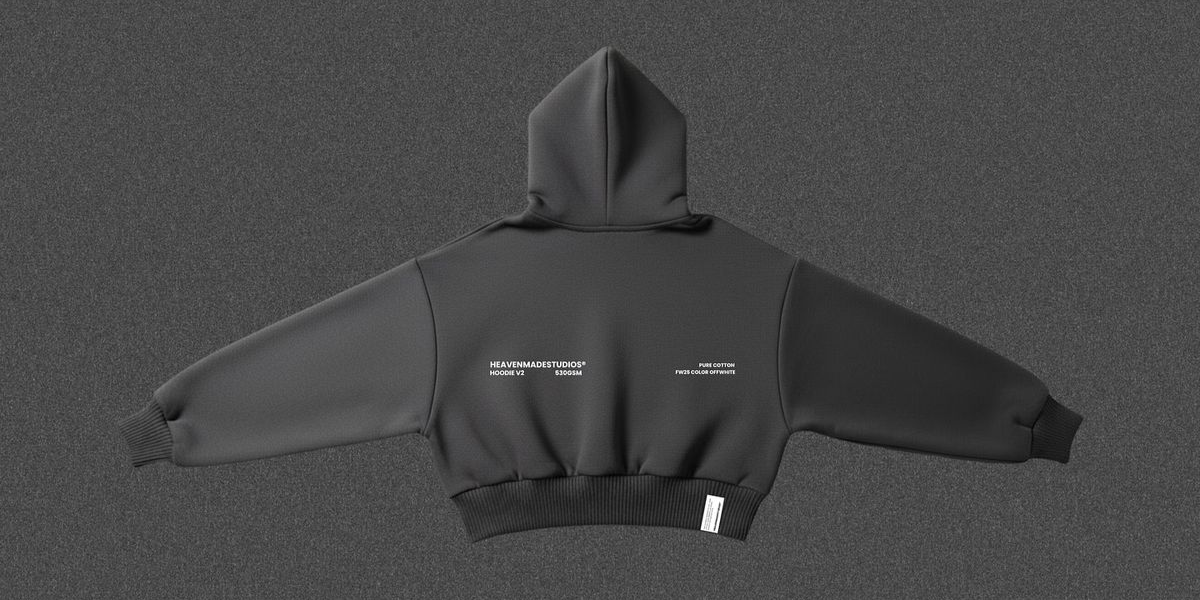
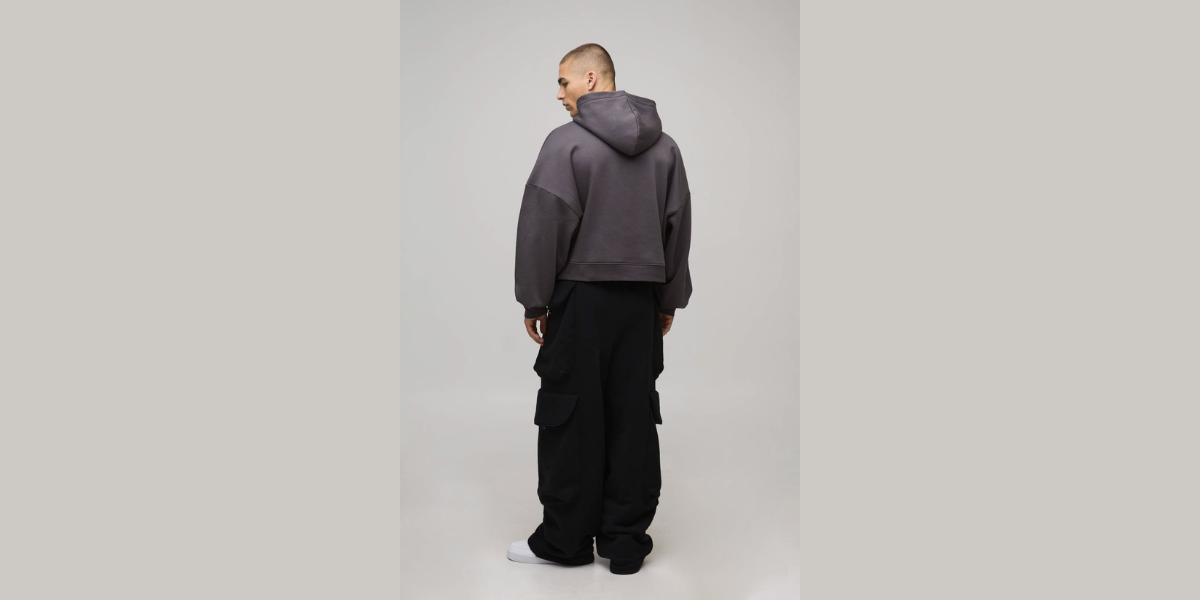
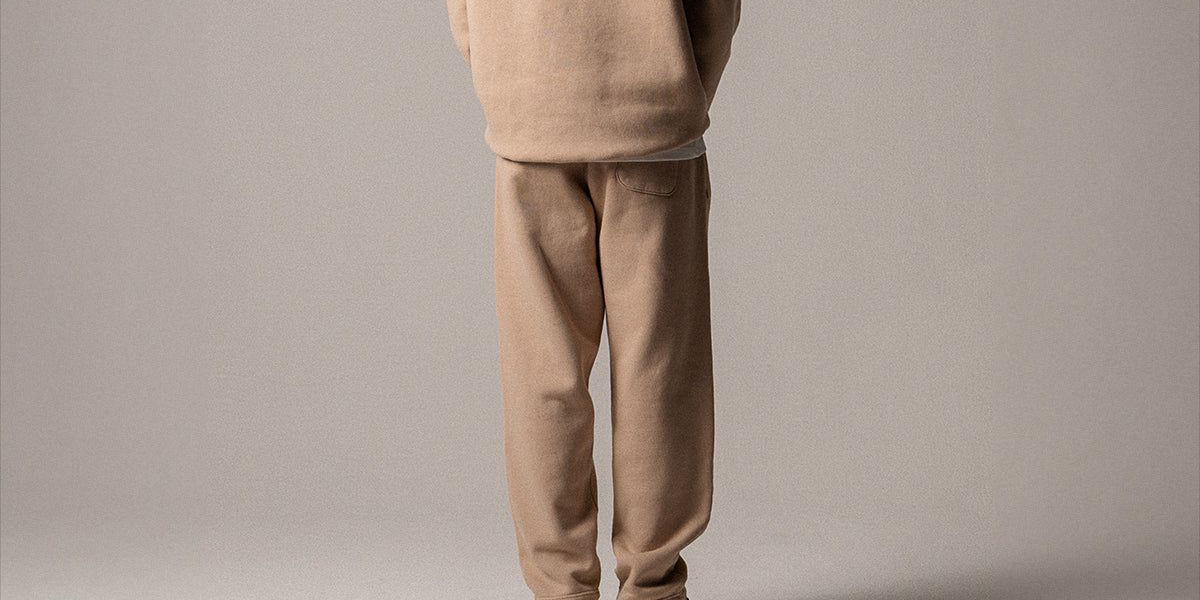
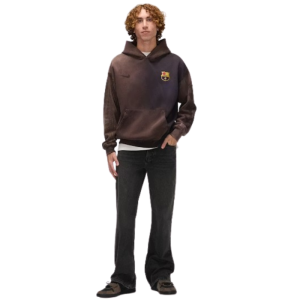
The branded Cactus Jack hoodies are cut with an intentional oversized silhouette — wide through the chest, long in the body, with a dropped shoulder that places the sleeve seam below the natural shoulder point. This silhouette is a deliberate design choice that provides the large canvas required for the back panel graphic compositions to read at their intended scale rather than being compressed toward the sleeve seams on a narrower body.
Cactus Jack Hoodie sizing reference
S
43" chest
28" length
M
45" chest
29" length
L
47" chest
30" length
XL
49" chest
31" length
XXL
51" chest
32" length
Order your standard size for the brand's intended oversized silhouette. Size down one for a relaxed-but-less-extreme fit. Do not size up — the hoodie is already oversized at every label size and sizing up produces a garment that reads as too large rather than intentionally oversized.
Caring for a Cactus Jack hoodie — construction durability and collector value
The heavyweight Cactus Jack hoodie is both a garment and an asset. The care protocol needs to serve both functions — maintaining the garment's wearability while preserving the graphic quality and overall condition that determines its value as a collector piece. These two objectives are served by the same set of practices, so there is no conflict between treating the hoodie as clothing and treating it as an investment.
Turn inside out before every wash. The graphic on the back panel — whether halftone gradient on the Astronomical and Utopia pieces or distressed vintage-style screenprint on the Astroworld pieces — is applied to the exterior face of the hoodie. Washing right-side out exposes the graphic surface to drum contact and garment abrasion during agitation. Each contact event removes a microscopic layer of the graphic surface. Over sufficient wash cycles this produces visible graphic degradation — loss of colour saturation, edge softening on the defined graphic elements, and flatness where the raised ink surface had provided visual depth.
Machine wash cold on a gentle cycle. For Astroworld and early era pieces with significant collector value — consider hand washing in cold water with a gentle detergent. The time investment is small relative to the preservation value. Cold washing keeps the dye molecules bonded to the cotton fibre surface — warm washing accelerates dye release and the gradient colourways of the Astronomical and Utopia pieces are the most sensitive to colour shift from elevated wash temperatures because the gradient relies on precise colour relationship between adjacent tones.
Air dry flat. Do not tumble dry. The heavyweight fleece at 380–420 GSM takes longer to air dry than lighter garments — overnight flat drying rather than a few hours. The additional drying time relative to tumble drying is the trade-off for preserving the graphic surface and the fleece hand feel. Tumble drying at high heat affects both: the plastisol or halftone ink softens at elevated temperatures and can shift or crack at graphic edges, and the fleece fibres compact under sustained heat reducing the tactile softness that distinguishes heavyweight fleece from lighter alternatives.
Store folded with the graphic face inside the fold — not at the fold edge. Sustained pressure at a fold line compresses whatever is at that position. Storing with the graphic face inside the fold means the fabric surface rather than the graphic surface is at the compression point. For pieces of significant collector value, store in a breathable cotton bag, flat, away from direct light. UV exposure fades the graphic dyes progressively — even ambient indoor UV from windows affects the gradient colourways of the Astronomical and Utopia pieces over months of light-exposed storage.
Frequently asked questions about Travis Scott hoodies
Why is the Astroworld hoodie the most valuable piece in the Cactus Jack range?
Three converging factors. The album is culturally definitive — Astroworld spent two weeks at number one and produced Travis Scott's most commercially and critically significant creative moment. The visual aesthetic is the most distinctive in the Cactus Jack catalogue — the Wish You Were Here typography and rollercoaster imagery created an immediately recognisable visual identity that has not been replicated in subsequent eras. The construction quality of the branded Astroworld pieces — heavyweight fleece, multi-pass gradient print — meets the standard required for a piece that holds its condition over time. Cultural significance, visual distinctiveness and construction durability converging in one piece.
What is the difference between a tour hoodie and an album hoodie in the Travis Scott range?
Tour hoodies are produced under event-window time pressure — 72 to 96 hours before a show — using standard merchandise fleece at 280–320 GSM with two to three colour single-pass screenprint. Album-era branded Cactus Jack hoodies are produced under controlled brand conditions using heavyweight 380–420 GSM fleece with multi-pass gradient or high-density screenprint. Tour hoodies carry cultural specificity — they document a specific venue and date. Album hoodies carry both cultural significance and construction durability. Both are correct purchases for different reasons.
Which Travis Scott hoodie era is rarest?
The Birds Eye View era (2016) produced the lowest original volume of any Cactus Jack era and has the lowest contemporary awareness — fewer buyers knew about the album's merchandise at the time of release, which means the original production run sold into a smaller buyer pool. Lower original volume combined with the attrition of pieces through wear, damage and loss over eight years of circulation produces the lowest available supply in the market. A Birds Eye View era hoodie in excellent condition is the rarest piece in the Cactus Jack hoodie catalogue.
Does the Travis Scott hoodie run true to size?
No — the branded Cactus Jack hoodies are intentionally oversized, cut wide through the chest and long in the body with a dropped shoulder. A medium Cactus Jack hoodie measures approximately 45 inches at the chest — five to seven inches wider than a standard retail medium. Order your standard size for the brand's intended oversized silhouette. Size down one for a relaxed-but-less-extreme result. Never size up — the hoodie is already oversized at every label size and sizing up produces a garment that reads as too large rather than intentionally wide.
Why does the Cactus Jack hoodie graphic look different from the same graphic on the T-shirt?
The heavyweight fleece at 380–420 GSM has a denser cotton loop surface than the ringspun T-shirt base at 200–220 GSM. When screenprint ink is applied to a denser surface, there is less light penetration through the ink layer from the fabric below — the ink sits on top and reflects more light toward the viewer, making colours appear more saturated. The gradient transitions appear smoother on the fleece because the larger back-panel canvas allows the halftone dot density to transition over a longer physical distance, producing more gradual tonal steps at the same viewing distance.
How do I care for a high-value Cactus Jack hoodie to preserve its condition?
Turn inside out before every wash — this eliminates graphic surface drum contact during agitation. Machine wash cold on gentle cycle — for Astroworld and early era pieces, consider hand washing in cold water. Air dry flat — never tumble dry, as heat softens the ink at graphic edges and compacts the fleece fibres. Store folded with the graphic face inside the fold rather than at the fold edge. For significant collector pieces, store in a breathable cotton bag away from direct light — UV exposure fades gradient dyes progressively even under ambient indoor light over months of storage.